Bad Bunny Halftime & Hits: English Lyrics, Meaning, & Slang Decoded
Benito Antonio Martínez Ocasio, better known as Bad Bunny, has transcended language barriers to become a global music phenomenon. His electrifying performances and chart-topping hits resonate worldwide, but for many non-Spanish speakers, the depth and nuance of his lyrics can remain a mystery. From his monumental Super Bowl halftime appearance to the deeply emotional tracks that dominate streaming platforms, understanding Bad Bunny means diving into a rich tapestry of Puerto Rican slang, heartfelt confessions, and undeniable swagger. This article aims to decode the most impactful moments, providing not just English translations, but also the cultural context and emotional resonance behind his most significant lyrics, including the highly sought-after Bad Bunny's Super Bowl LX Halftime Lyrics: English Translation & Meaning.
Decoding the Super Bowl LX Halftime Show: Beyond "Believe in Yourself"
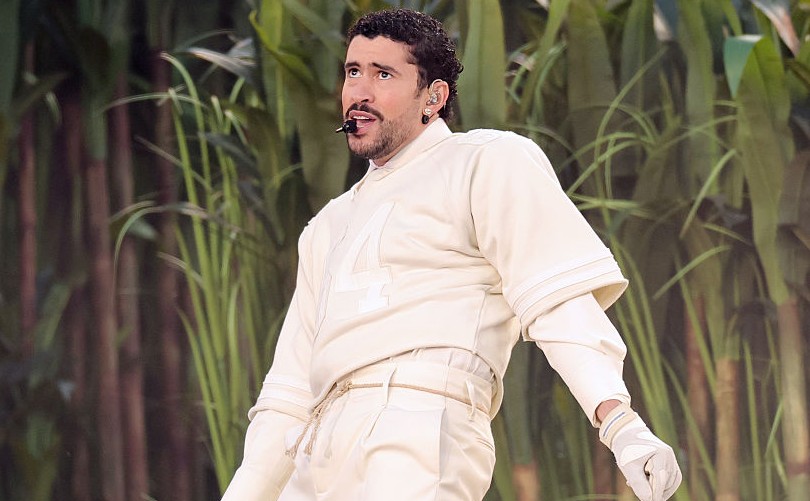
When Bad Bunny graced the Super Bowl LX halftime stage, he didn't just perform; he made a powerful cultural statement. His decision to primarily perform in Spanish on one of the world's biggest English-speaking stages was a bold affirmation of his identity and the universal appeal of Latin music. While many international viewers caught snippets like "Cree siempre en ti," widely translated as "Believe in yourself" – a clear, uplifting message – the true impact lay in the subtler elements of his performance and song choices.
For instance, song titles like "Tití Me Preguntó" were literally translated as "Auntie asked me," giving a hint of the narrative but missing the underlying cultural texture. In Puerto Rican slang, "Tití" can refer to an aunt, but also to an older, trusted female relative or friend who might innocently probe into one's love life or future, often with a mix of care and mild nosiness. The song itself explores themes of bachelorhood and a varied dating life, making "Auntie asked me who my girlfriend is" a more resonant interpretation of its playful complexity. The halftime show was not just a musical spectacle; it was a masterclass in global representation, where his language became a bridge, inviting millions to experience the vibrant rhythm and soul of his Puerto Rican heritage. For a deeper dive into the specific phrases and their cultural nuances from that iconic performance, exploring Bad Bunny's Super Bowl LX Halftime Lyrics: English Translation & Meaning is essential.
The Emotional Core of "DtMF": "I Should Take More Photos"
Beyond the stadium-rocking anthems, Bad Bunny excels at crafting deeply introspective and emotional tracks that touch millions. One such song, "DtMF," from his Grammy-winning album DeBÍ TiRAR MáS FOToS, has become an instant classic, sparking an emotional trend across social media platforms like TikTok. "DtMF" stands for "DeBÍ TiRAR MáS FOToS," which translates to "I should take more photos."
The song is a poignant journey through nostalgia, regret, and the bittersweet longing for a past that can never be fully recaptured. Bad Bunny masterfully articulates the universal human desire to hold onto fleeting moments. He sings, "But wanting to go back to the last time I looked into your eyes / And to tell you the things I didn't get to tell you." This line encapsulates the ache of unspoken words and missed opportunities, a sentiment relatable to anyone who has experienced a significant loss or a relationship that ended too soon. The lyrics also express a profound appreciation for those who remain, highlighting the importance of presence and support: "I should've taken more pictures when I had you / I should've given you more kisses and hugs whenever I could / Ayy, I hope my people never move away / And if I get drunk today, I hope they help me out." This collective sentiment is beautifully amplified by a chorus of voices echoing his words, turning a personal reflection into a shared experience.
The song’s impact was amplified by a viral TikTok trend, where fans created heartbreaking edits of photos with lost loved ones, often bringing Bad Bunny himself to tears in his reactions. This raw outpouring of emotion showcases the song's ability to tap into collective grief and gratitude. True to his multifaceted style, Bad Bunny injects a touch of his signature playful explicit humor at the end, famously screaming, "I hope my people never move away / And that you send me more nudes." This juxtaposition of profound emotional vulnerability with an irreverent, light-hearted, and typically Bad Bunny closing line underscores his unique artistry—he embraces all facets of human experience, from the deeply sorrowful to the playfully sensual. For a complete lyrical breakdown and to understand its cultural phenomenon, check out Bad Bunny DtMF Lyrics: English Translation, Meaning, & TikTok Trend.
Understanding Key Lines from "DtMF":
- "Another beautiful sunset I see in San Juan / Enjoying everything that the departed are missing out on": A contemplative opening, setting a scene of beauty and reflective gratitude for the present, while acknowledging the absence of those who are no longer here.
- "My chest feels empty, I got hit hard / My heart is pounding / Tell me, baby, where are you?": A raw expression of heartache and longing, capturing the physical sensation of emotional pain.
- "I'm in PR chilling, but...": This phrase grounds the song in his Puerto Rican reality, but the "but" immediately signals a shift to deeper, unresolved emotions, showing that even in paradise, the past can linger.
- "My whitey, my cocaine, my kilo": These are intense metaphors used to describe the intoxicating, addictive nature of the person he misses, reflecting a deep and powerful yearning.
Unpacking Bad Bunny's Lyrical Style: Slang, Culture, and Emotion
Bad Bunny's lyrical genius lies in his ability to weave together street slang, romanticism, social commentary, and unfiltered vulnerability. His music is a direct reflection of Puerto Rican culture, making understanding his slang crucial for a full appreciation. Direct translations often fall short, losing the cadence, double meanings, and cultural connotations that give his words their power.
For example, while "Tití" might literally mean "aunt," its usage implies a deeper, often more informal and intimate, relational context. Similarly, terms like "cabrón" (often translated as a harsh expletive like 'bastard' or 'f*cker') can also be used colloquially among friends to mean 'dude' or 'badass,' depending on the context and tone. Bad Bunny frequently uses these words to add authenticity and an edge to his narratives, blurring lines between aggression, endearment, and playful banter.
Tips for Understanding Bad Bunny's Lyrics:
- Beyond Literal Translation: Don't rely solely on word-for-word translation tools. Seek out explanations that provide cultural context and explain idiomatic expressions.
- Listen to the Tone: Bad Bunny's delivery often conveys as much meaning as the words themselves. A phrase that looks harsh on paper might be playful when sung with a smirk.
- Immerse in Context: Understand the themes of the album or the era of his career the song comes from. Is it a party anthem, a love song, or a social critique?
- Explore Puerto Rican Culture: A basic understanding of Puerto Rican slang and social norms will significantly enhance your comprehension.
His music is a vibrant dialogue with his community, and to truly grasp its essence, one must be willing to step into that dialogue, even if only through translation and cultural research.
The Global Impact of Bad Bunny's Unapologetic Authenticity
Bad Bunny's meteoric rise is a testament to the power of authenticity. He has consistently refused to compromise his artistic vision or his language for broader commercial appeal, and in doing so, he has paradoxically achieved unparalleled global success. His album Un Verano Sin Ti became the most streamed album of all time, boasting over 21 billion streams, a monumental feat achieved predominantly in Spanish.
His success isn't just about catchy beats; it's about his profound connection with his roots and his audience. He represents a new wave of artists who prove that cultural identity can be a superpower, not a barrier. By bringing Puerto Rican sounds, stories, and slang to the world stage, Bad Bunny has become an ambassador for his culture, fostering a deeper appreciation for Latin music and Hispanic heritage globally. His ability to connect with diverse audiences, despite language differences, speaks volumes about the universal themes he explores—love, loss, joy, struggle, and identity—all delivered with an infectious charisma and a raw, honest voice.
Conclusion
Bad Bunny's music is a rich, multifaceted experience that transcends linguistic boundaries. From the empowering messages embedded in his Super Bowl LX Halftime Show performances to the raw emotional honesty of tracks like "DtMF," his lyrics offer a window into his soul and the vibrant culture of Puerto Rico. Understanding the English translation of Bad Bunny's lyrics, particularly those from his Halftime Show, is only the first step. To truly appreciate his artistry, one must also delve into the layers of slang, cultural context, and the profound emotions he so skillfully conveys. As Bad Bunny continues to break records and redefine the global music landscape, his unique blend of vulnerability, swagger, and cultural pride ensures that his message resonates deeply, connecting with fans from all corners of the world.