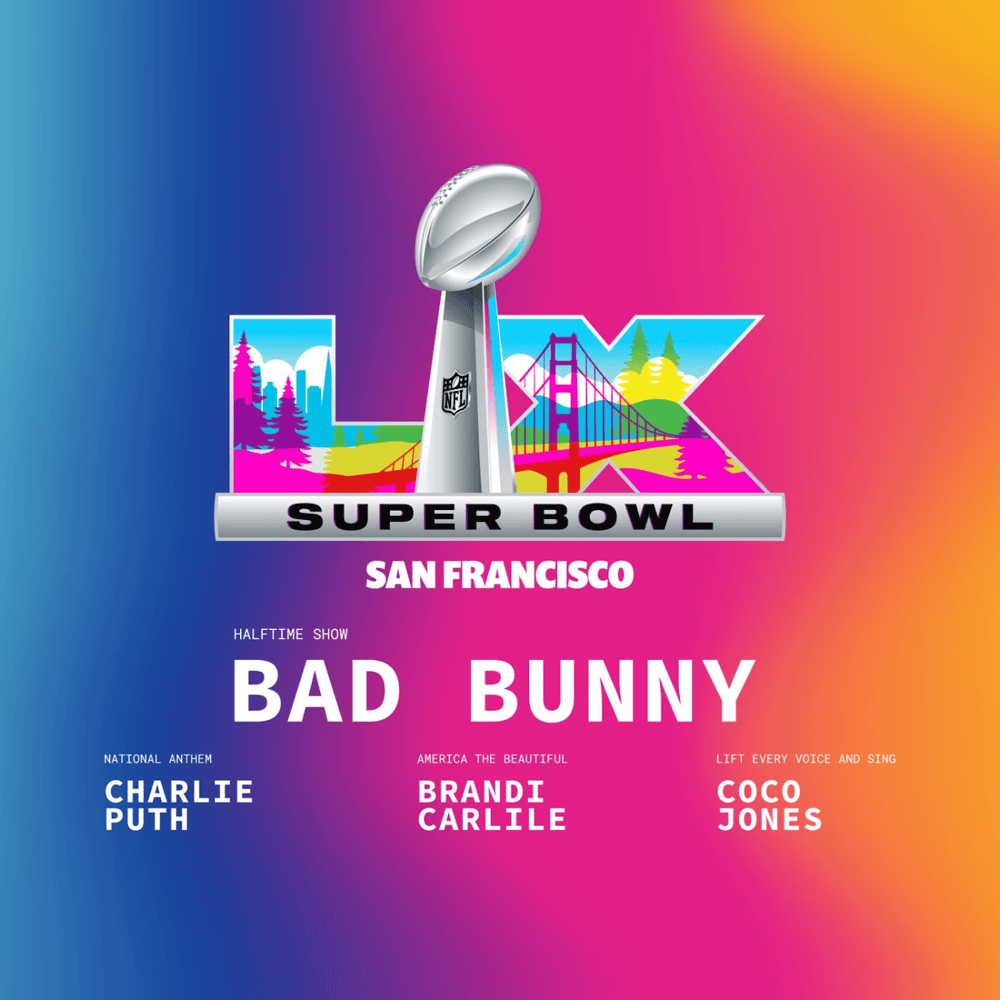
Bad Bunny's Super Bowl LX Halftime Lyrics: English Translation & Meaning Explained
The Super Bowl Halftime Show is more than just a musical performance; it's a cultural phenomenon, a global stage where artists leave an indelible mark. When rumors circulated about Bad Bunny gracing the Super Bowl LX stage, excitement for his electrifying presence and groundbreaking music soared. Fans worldwide, eager to connect with every word of the Puerto Rican superstar's performance, immediately sought out the
Bad Bunny Halftime Show Lyrics English Translation. His unique blend of reggaeton, trap, and Latin pop, infused with deep emotion and vibrant cultural references, makes understanding his lyrics a crucial part of the experience.
Bad Bunny, known for shattering records and dominating charts, brings a lyrical depth that often goes beyond simple party anthems. From the introspective to the empowering, his songs resonate across languages. While specific details of every lyric from a future Super Bowl LX performance are speculative, we can delve into the common themes, the emotional core, and the linguistic nuances that define his artistry, using insights from his most impactful works. The demand for accurate translations highlights his global appeal and the desire of his diverse fanbase to fully grasp the messages embedded in his potent lyrics.
The Anticipation: What to Expect from Bad Bunny's Halftime Lyrics
Bad Bunny's artistry is characterized by a potent mix of introspection, resilience, and the celebration of life and culture. Should he command the Super Bowl LX Halftime Show, audiences would anticipate a masterclass in conveying raw emotion and infectious energy. His performances often feature a seamless transition between high-energy bangers and more reflective, poignant tracks. Early reactions to his potential involvement in major stages like this often translate into a keen interest in his spoken remarks and song snippets. For instance, widely translated phrases from previous high-profile appearances include encouraging sentiments like “Cree siempre en ti” (
Believe in yourself) – a powerful message of self-belief that resonates universally.
His song choices would undoubtedly reflect his impressive catalog of hits, which often carry significant weight and meaning. A track like "Tití Me Preguntó" (literally,
Auntie asked me), for example, while seemingly lighthearted, is packed with cultural references and explores themes of identity and relationships, showcasing the complexity beneath the catchy beats. Understanding these nuances requires more than a literal translation; it demands an appreciation for Puerto Rican slang and the cultural context. Bad Bunny's lyrics frequently touch upon themes of love, loss, social commentary, and authentic self-expression. Fans hoping for the
Bad Bunny Halftime Show Lyrics English Translation would be seeking not just words, but the underlying stories and emotions that have made him a global icon.
Unpacking the Emotion: A Deep Dive into 'DtMF' Lyrics and Meaning
While we await the specific setlist for a future Super Bowl LX performance, understanding the depth of Bad Bunny's popular songs offers a profound insight into the kind of lyrical power he brings. One standout example is his Grammy Award-winning album, *DeBÍ TiRAR MáS FOToS*, and its title track, 'DtMF'. This song exemplifies Bad Bunny’s ability to craft deeply emotional narratives that resonate universally, sparking an emotional trend on TikTok and moving millions to tears.
'DtMF' stands for "DeBÍ TiRAR MáS FOToS," which translates to
"I should take more photos." This simple yet profound phrase encapsulates the song's core theme: nostalgic reflection on the past and the yearning for missed moments. In the song, Bad Bunny poignantly looks back at an ex, expressing regret for unspoken words and untaken pictures:
"But wanting to go back to the last time I looked into your eyes / And to tell you the things I didn't get to tell you." These lines speak to the universal experience of longing for a second chance to cherish a moment or express a feeling.
The song doesn't solely dwell on lost love. It also celebrates the enduring connections with those who remain present in his life:
"I should've taken more pictures when I had you / I should've given you more kisses and hugs whenever I could / Ayy, I hope my people never move away / And if I get drunk today, I hope they help me out." This shift from personal reflection to communal appreciation is a hallmark of Bad Bunny's writing, showing gratitude for his loyal circle. The chorus echoing his words further amplifies this sentiment, creating a collective feeling of shared vulnerability and hope. The raw honesty of 'DtMF' immediately went viral, leading fans to create heartfelt edits of cherished photos with lost loved ones, a trend that even brought Bad Bunny himself to tears.
Of course, a Bad Bunny song wouldn't be complete without his signature blend of earnest emotion and playful irreverence. He concludes the song with a characteristic touch of lightheartedness, yelling:
"I hope my people never move away / And that you send me more nudes." This unexpected pivot highlights his authentic and sometimes provocative personality, reminding listeners that even in deep reflection, his unique sense of humor shines through.
Here are some key lyrical excerpts from 'DtMF' with their English translations, providing a glimpse into its emotional tapestry:
- "Otro atardecer hermoso que veo en San Juan / Disfrutando todo lo que se pierden los que se fueron."
- English: "Another beautiful sunset I see in San Juan / Enjoying everything that the departed are missing out on."
- "Pero con ganas de volver a la última vez que te miré a los ojos / Y de decirte las cosas que no te llegué a decir."
- English: "But wanting to go back to the last time I looked into your eyes / And to tell you the things I didn't get to tell you."
- "Debí tomar más fotos cuando te tenía / Debí darte más besos y abrazos siempre que podía."
- English: "I should've taken more pictures when I had you / I should've given you more kisses and hugs whenever I could."
- "Ayy, espero que mi gente nunca se me aleje / Y si me emborracho hoy, espero que me ayuden."
- English: "Ayy, I hope my people never move away / And if I get drunk today, I hope they help me out."
The success of 'DtMF' and its profound impact demonstrate the lyrical depth that Bad Bunny consistently delivers, making any performance of his a rich experience for those seeking a full understanding of his message. For a more detailed breakdown of this iconic track and its cultural impact, check out our article on
Bad Bunny DtMF Lyrics: English Translation, Meaning, & TikTok Trend.
Beyond 'DtMF': Understanding Bad Bunny's Broader Lyrical Universe
Bad Bunny's discography is a vibrant tapestry woven with diverse themes and linguistic creativity. While 'DtMF' showcases his emotional depth, many of his other global hits contribute to a lyrical universe that is both playful and profound. His ability to fuse reggaeton's infectious rhythms with trap's raw honesty and Latin pop's melodic sensibility makes his music distinct. His lyrics frequently explore:
- Love and Relationships: From tender declarations to tales of heartbreak and passionate encounters.
- Social Commentary: Addressing issues of identity, gender roles, and Puerto Rican independence with subtle or overt references.
- Cultural Pride: Celebrating his roots, showcasing Caribbean slang, and integrating elements of his upbringing.
- Authenticity and Self-Expression: Embracing his unique style and encouraging others to do the same, often with a rebellious edge.
Translating Bad Bunny's lyrics is an art in itself. It’s not just about converting Spanish words to English; it’s about capturing the nuances of Puerto Rican slang (like the term "blanquita" or "güiro" in 'DtMF'), the double meanings, and the cultural context that gives his words their true power. This is why fans constantly search for accurate and insightful
Bad Bunny Halftime Show Lyrics English Translation – they want to understand the full spectrum of his artistic vision. His use of Spanglish and regionalisms adds layers of meaning that a simple dictionary translation might miss. For a deeper dive into his most popular hits and the cultural intricacies behind their lyrics, explore our feature on
Bad Bunny Halftime & Hits: English Lyrics, Meaning, & Slang Decoded.
Why English Translations Matter: Bridging Cultural Gaps
Bad Bunny's global ascension is a testament to music's power to transcend language barriers, yet English translations play a pivotal role in solidifying his international appeal. For non-Spanish speaking fans, access to the
Bad Bunny Halftime Show Lyrics English Translation is more than just a convenience; it's a gateway to deeper understanding and connection. When fans grasp the emotional weight of 'DtMF' or the cultural references in "Tití Me Preguntó," their appreciation for his artistry grows exponentially.
These translations bridge cultural gaps, allowing a broader audience to engage with the narratives, humor, and social commentary embedded in his work. They transform a catchy beat into a profound message, enabling listeners from diverse backgrounds to relate to themes of love, loss, identity, and resilience. By making his lyrics accessible, Bad Bunny continues to break down stereotypes about Latin music, proving that authentic storytelling, regardless of language, has universal resonance. The availability of detailed translations ensures that his profound impact on modern music history is felt and understood by everyone.
Conclusion
Bad Bunny’s potential presence at the Super Bowl LX Halftime Show, and indeed, any major performance, underscores his monumental impact on global music. The anticipation for the
Bad Bunny Halftime Show Lyrics English Translation reflects a worldwide eagerness to connect with an artist whose honesty, cultural pride, and undeniable talent have redefined the music landscape. From the introspective longing of 'DtMF' to the vibrant energy of his chart-toppers, his lyrics offer a rich tapestry of human experience, elevated by his unique linguistic flair. As Bad Bunny continues to break records and captivate audiences, the demand for understanding his words will only grow, solidifying his legacy as an artist who truly speaks to the world.